
As Canada accelerates its renewable-energy transition, attention is shifting from headline technologies like wind and solar to less visible but equally powerful resources like biogas.
Produced from organic residues, agricultural waste, and municipal feedstock, biogas offers dual climate benefits; it prevents methane emissions and replaces fossil fuels with renewable natural gas. Yet, the key to scaling this energy source lies not in biology alone, but in the engineering that moves and purifies the gas. Compressors form the backbone of every modern biogas system, ensuring efficiency, safety, and reliability from collection to storage.
From Biomass to Biogas: An Overlooked Energy Resource
For more than 200,000 years, humans have relied on biomass, the organic matter in plants and waste, for heat and survival. As Stan Ridley notes in Canadian Consulting Engineer, biomass is one of humanity’s oldest energy sources, predating today’s wind and solar technologies. Yet modern systems shifted toward dense, easily transported fossil fuels, leaving biomass largely overlooked in contemporary planning.
That’s changing. Biomass and its derivative, biogas, are re-emerging as critical components of the renewable-energy mix, with global biomass consumption now exceeding the combined output of wind and solar. When sourced from sustainably managed residues, biomass can be nearly carbon-neutral: the carbon released during energy production is reabsorbed as new plant matter grows. This closed carbon cycle underpins the climate value of modern biogas systems.
In Canada, vast forests, agricultural operations, and municipal waste streams create enormous untapped biogenic potential. Through anaerobic digestion, organic material (food scraps, crop residues, and landfill waste) is broken down by microbes to produce methane-rich biogas. Captured and upgraded into biomethane, it becomes a pipeline-ready fuel that directly substitutes for natural gas, closing the loop between waste management and clean energy.
Why Compressors Are the Heart of the Biogas System
Turning organic waste into energy doesn’t happen without precise control of gas flow, pressure, and purity. This is where compressors play a critical role across every stage of the biogas value chain from the moment methane is formed to the point it enters a grid or generator. Below are some of the core compressor functions across the biogas value chain:
- • Collection & Pre-Treatment:
Biogas starts at low, inconsistent pressures. Compressors pull it from digesters or wells, stabilize flow, and prevent methane leaks. - • Upgrading & Purification:
Upgrading needs pressure. Compressors drive membranes and separation systems, removing CO₂ and H₂S to produce pipeline-quality biomethane. - • Storage & Distribution:
Biomethane must be highly compressed for storage, transport, or grid injection. Reliable compression ensures safe, consistent delivery. - • On-Site Utilization:
For CHP systems, compressors provide steady pressure and flow, turning raw biogas into dependable heat and power.
With the right engineering in place, biogas becomes more than a technical process, it becomes a real municipal solution. And few places illustrate this opportunity more clearly than Toronto, where the city is approaching a critical waste-management crossroads.
Toronto’s Landfill Problem and the Circular Alternative
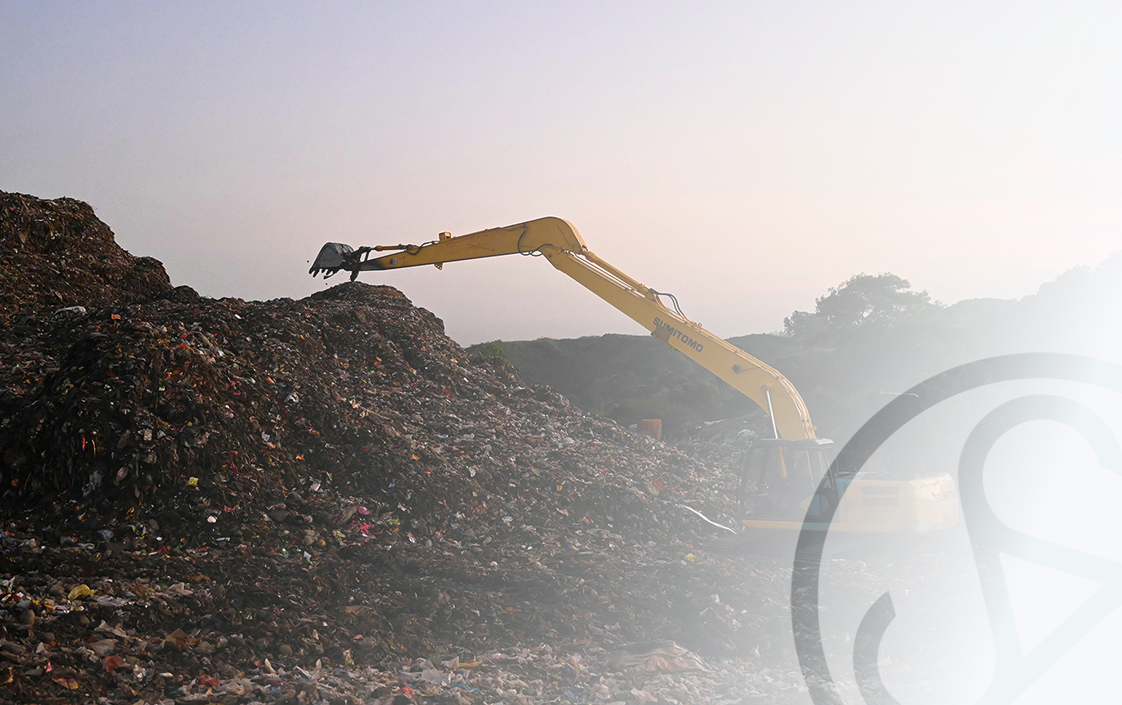
As Toronto’s landfill approaches capacity, city planners face difficult choices: expand the site, transport waste farther afield, or build an incinerator. Each path has trade-offs that are economic, environmental, and social.
But there’s a fourth option gaining global momentum: waste-to-biogas systems.
Instead of burning or burying waste, cities can capture methane from organic decomposition and convert it into renewable energy. This approach addresses both emissions and waste reduction simultaneously:
- • Reduces methane leaks from landfills, one of the most potent greenhouse gases.
- • Generates renewable fuel that offsets fossil gas use.
- • Creates local energy loops, powering municipal fleets or heating infrastructure.
- • Supports waste diversion goals by turning organics into economic assets.
European cities such as Copenhagen, Stockholm, and Munich already integrate biogas into their urban energy mix. Their success demonstrates that with the right technology and policy alignment, municipalities can turn waste management from a cost center into a renewable energy engine.
Engineering for the Energy Transition: Sauer’s Role
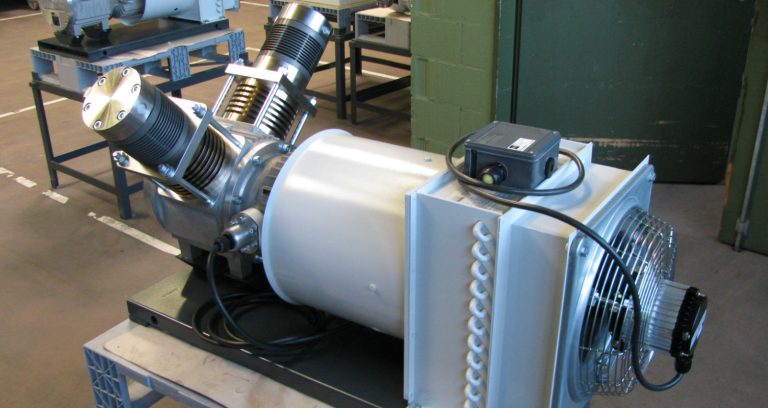
Biogas presents unique engineering challenges: corrosive gas composition, variable flow, and demanding uptime requirements. Sauer Compressors Canada brings proven expertise from marine, industrial, and hydrogen sectors into this emerging market, offering robust, oil-free compression systems designed to meet the reliability standards biogas projects require.
Key Advantages:
- • Oil-Free, Contamination-Free Compression
Protects gas purity for grid injection or CHP use. - • Corrosion-Resistant Design
Materials and coatings engineered to handle H₂S and moisture without degradation. - • High-Pressure Capability
Efficiently compresses upgraded biomethane for storage or transport applications. - • Proven Durability
Long service intervals, reduced maintenance downtime, and low total cost of ownership.
From small-scale digesters to municipal upgrading plants, Sauer systems deliver reliability in every stage of the biogas cycle. The same engineering principles that safeguard hydrogen and marine applications now ensure the safe, efficient movement of renewable gases.
Powering Canada’s Circular Future
Biogas isn’t just a fuel – it’s a circular solution. As cities like Toronto rethink waste, every diverted tonne becomes avoided emissions and usable energy. With reliable compression at the core, Sauer’s oil-free, corrosion-resistant systems turn organic by-products into clean, dependable power. Biogas compression is where waste reduction meets renewable generation; and Sauer is proud to help drive that future.
Discover how Sauer Compressors Canada can help you capture, store, and utilize biogas efficiently.
Contact our team to discuss your renewable or waste-to-energy project.
About Sauer Compressors Canada
Sauer Compressors Canada specializes in medium and high-pressure air and gas compressors for applications in general industry, petro-industry, commercial shipping, and the defense sector in the Canadian market.
Sauer Compressors are the global leader in the market for medium and high-pressure compressors, with pressures up to 7,000 psi, rated for continuous duty, and tested in the most demanding conditions to provide true 24/7 reliability. In addition to standard products, we offer customized solutions for our customers, OEMs, and companies that operate on a global stage.
For more information, please contact us at [email protected]