
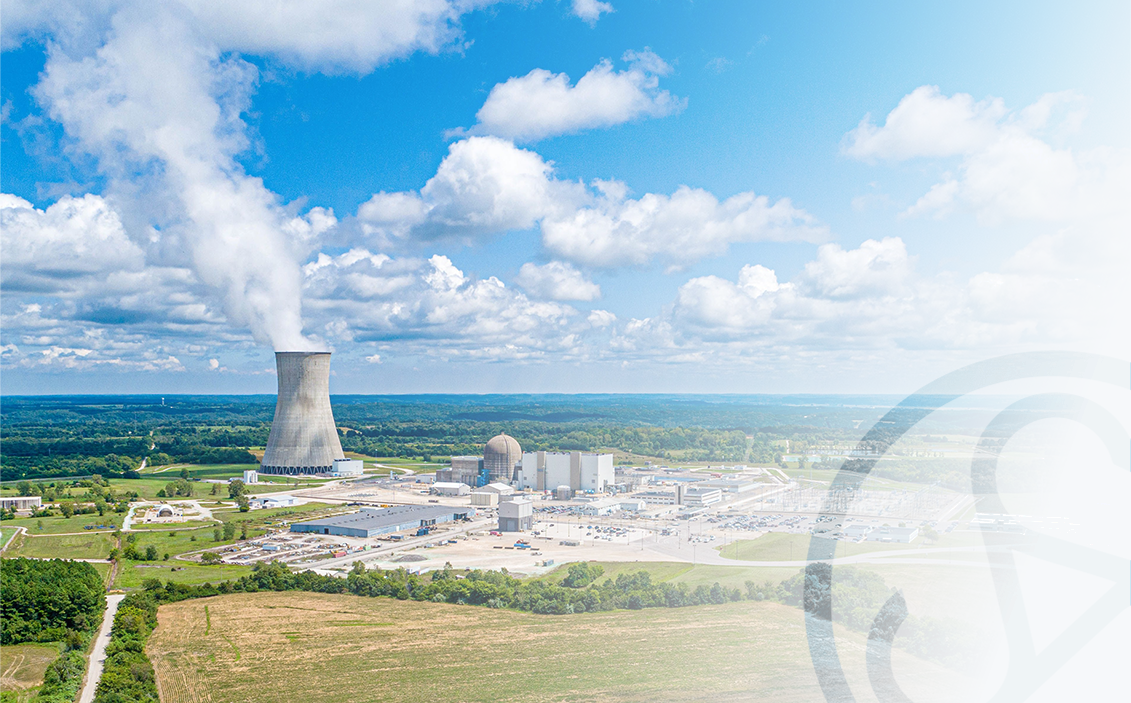
Canada is entering a new phase of nuclear development. At Ontario Power Generation’s Darlington New Nuclear Project in Clarington, Ontario, the first GE Vernova Hitachi BWRX-300 small modular reactor has been authorized for construction, with the site planned to eventually host up to four units. The project is widely described as one of the first grid-scale SMR project of its kind in the G7 and North America.
While much of the discussion around SMRs focuses on reactor technology, modular construction, and electricity output, the supporting infrastructure around the reactor is just as important. Compressed air and gas systems play a key role in this balance-of-plant environment, supporting functions such as instrumentation, pneumatic control, maintenance, testing, inerting, and other auxiliary plant operations. As nuclear generation evolves toward smaller, standardized, and repeatable designs, it raises an important engineering question: what does the rise of SMRs mean for compressed air and gas systems in power generation?
What is an SMR?
A small modular reactor, or SMR, is a nuclear fission reactor designed to produce less electrical output than a conventional large nuclear unit while using a design philosophy built around modularity, standardization, and repeatability. “Small” generally refers to output, with many SMRs designed below 300 MWe per unit. “Modular” refers to the construction model, where major components and systems can be standardized, manufactured in controlled environments, and assembled on site.
The Darlington SMR project is based on the GE Vernova Hitachi BWRX-300, a light-water boiling water reactor design. In a boiling water reactor, heat from the reactor core boils water directly in the reactor vessel, producing steam that drives the turbine generator before being condensed and returned to the system. This differs from Canada’s existing CANDU fleet, which uses pressurized heavy-water reactor technology, heavy water as moderator and coolant, and online refuelling.
Compared with conventional large nuclear projects, SMRs differ in several important ways:
- • Smaller, scalable unit size: SMRs can add smaller increments of power, helping utilities match generation to regional load growth, phased grid planning, or specific industrial demand.
- • Standardized and repeatable design: Having repeatable designs can support consistent construction, commissioning, training, maintenance, spare parts planning, and lifecycle service strategies.
- • Passive and simplified safety features: Many SMR designs emphasize passive safety, natural circulation, fewer active components, and simplified plant architecture. However, simplified reactor design still requires reliable auxiliary systems and operating discipline.
- • New applications beyond baseload generation: SMRs may support baseload power, but they are also being considered for remote grids, industrial heat, hydrogen production, mining, desalination, district energy, and data centre power.
Why balance-of-plant systems matter in SMR facilities
The reactor receives most of the attention, but nuclear plants depend on the systems around it. Balance-of-plant infrastructure supports power conversion, environmental control, instrumentation, maintenance, testing, and normal, abnormal, and outage operations. For SMRs, this is especially important because standardized reactor designs also require standardized, maintainable, and reliable supporting systems.
Compressed air and gas systems are part of that foundation. Depending on the plant design, they may support:
- 1. Instrument air for control valves, transmitters, actuators, and pneumatic devices
- 2. Service air for maintenance tools, cleaning, and general plant utility use
- 3. Nitrogen for inerting, purging, accumulator charging, or equipment preservation
- 4. Pneumatic actuation of valves and dampers
- 5. Pressure testing, leak testing, and commissioning
- 6. Turbine-generator auxiliaries, water treatment, chemical handling, and outage support
- 7. Temporary or backup compressed air during construction, commissioning, or maintenance
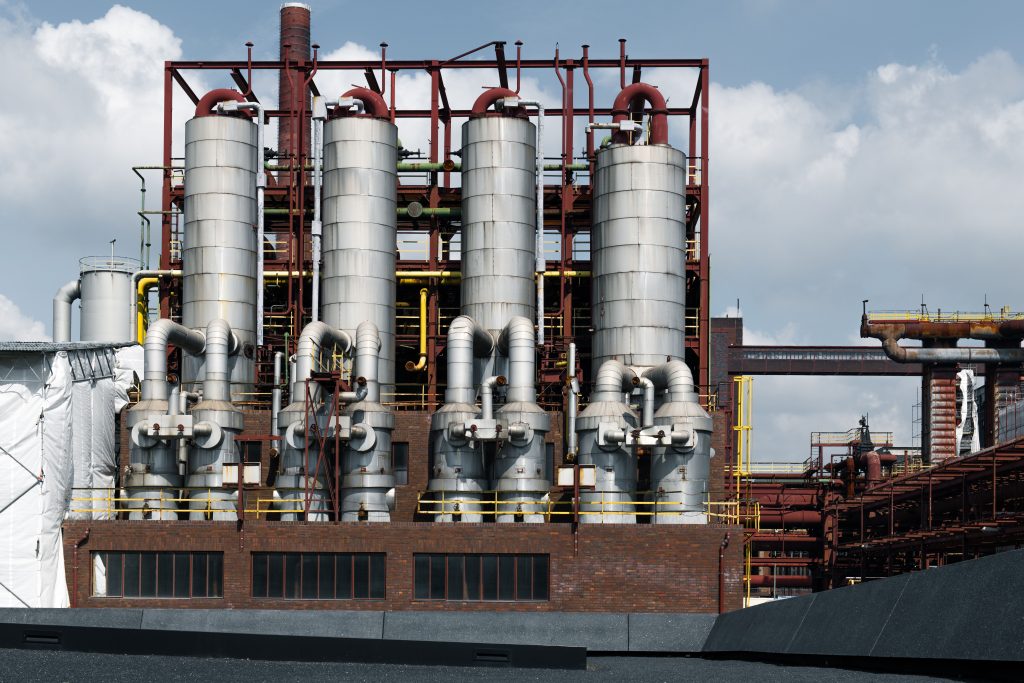
Key compressed air and gas applications in SMRs
Compressed air and gas systems support many of the auxiliary functions that allow nuclear plants to operate reliably. In SMR facilities, these systems may be smaller or more standardized than in conventional large nuclear projects, but their role remains critical.
- • Instrument air: Clean, dry, stable air may support pneumatic valves, positioners, instruments, and control devices across steam, feedwater, cooling, ventilation, and process support systems. Moisture, oil carryover, particulate contamination, or pressure fluctuation can cause slow valve response, sticking, corrosion, transmitter errors, or premature component wear.
- • Service air: Service air supports pneumatic tools, cleaning, testing, hose stations, commissioning, maintenance, and outage work. For SMRs, demand may vary by project phase, making it important to distinguish permanent operating requirements from temporary construction, commissioning, or outage peaks.
- • Nitrogen and inert gas: Nitrogen may support equipment preservation, purging, inerting, accumulator charging, valve actuator support, or turbine-generator auxiliary systems. Because nitrogen is not interchangeable with compressed air, system design must account for storage, distribution, pressure, purity, moisture control, backup supply, relief protection, monitoring, and oxygen-deficiency hazards.
Design considerations for nuclear compressor systems
Compressors used in nuclear power applications may not always be part of the nuclear safety system, but they operate in an environment where reliability, documentation, traceability, and maintainability are held to a higher standard than in general industrial service. A valve that fails to actuate, an air header that cannot hold pressure, a dryer that allows moisture into the system, or a compressor package that is difficult to maintain can all create operational issues.
Key design considerations include:
- • Air and gas quality: Define air quality, gas purity, moisture limits, filtration, drying, materials compatibility, and contamination control early.
- • Reliability and redundancy: Account for redundancy, receiver capacity, standby logic, alarm setpoints, and maintenance bypasses.
- • Demand profile: Separate permanent operating demand from temporary construction, commissioning, maintenance, and outage peaks.
- • Maintainability: Design for safe access, inspection, efficient service, spare parts availability, and condition monitoring.
- • Documentation and lifecycle support: Align inspection, testing, traceability, qualification, maintenance, and configuration-control records with nuclear project requirements.
- • Installation environment: Account for cooling, ventilation, vibration, drainage, freeze protection, access, and Canadian seasonal conditions.
For SMRs, these decisions should also consider how a single-unit design may scale across a multi-unit site. The goal is not only to supply compressed air or gas, but to support long-term plant reliability, maintainability, and lifecycle performance.
Small modular reactors represent a new nuclear deployment model built around standardization, modularity, and long-term reliability. While Canada’s Darlington project will draw attention for its reactor technology and grid impact, successful SMR deployment will also depend on the supporting systems behind daily operation. Compressed air and gas systems help support control, maintenance, testing, and reliability functions, and must be engineered for safety, maintainability, documentation, and lifecycle performance.
Need reliable compressed air or gas support for your power-generation project?
Contact Sauer Compressors Canada to discuss system requirements, equipment selection, and lifecycle service support.